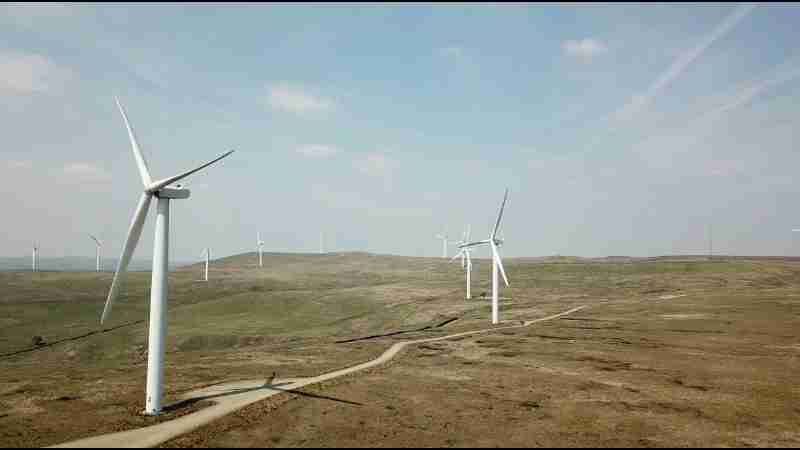
The serene landscapes of the moors linking Rossendale and Rochdale are once again embroiled in a debate over the nation’s renewable-energy prospects.
Cubico Sustainable Investments, a renewable-energy developer, has submitted plans to install 17 bigger, more powerful wind turbines on Scout Moor, an area already host to existing turbines. The initial proposal was for 21 turbines, but the number was trimmed after public consultation.
Dubbed Scout Moor II, the scheme aims to become England’s largest onshore wind farm, capable of generating 100 MW of clean electricity—enough to power around 100,000 homes each year.
Potential gains and local push-back
Cubico points to the project’s potential to support the UK’s climate goals, reduce reliance on overseas energy supplies and create jobs in the community.
However, local campaigners from the Say NO to Scout Moor 2 group maintain that the construction would irreversibly damage the peatland and harm the area’s environment and heritage.
The project’s journey is not without precedent: previous attempts to extend the wind farm met stiff opposition and were ultimately halted by planning rules.
Now, with a more supportive political mood towards renewables, Cubico hopes to press ahead.
The submission outlines a Community Wealth Fund that would distribute £20 million to residents and organisations over the wind farm’s operating life.
The developer also says the scheme will prioritise conserving and enhancing the site’s distinctive peatland, including plans to re-wet the moor, restore native vegetation and create healthier habitats for local wildlife.
Data collection and community engagement
Before main construction can proceed, the promoter must erect a 91-metre meteorological mast to gather wind data for two years—information vital for securing finance and confirming the site’s suitability.
The company has pledged further engagement with local communities and will adjust its proposals in light of stakeholders’ feedback.
Henri Murison, chief executive of the Northern Powerhouse Partnership, noted that research by Cambridge Econometrics shows the North of England needs about £7 billion a year in private-sector investment in generation technologies to meet future demand, create skilled jobs across supply chains and hit Net Zero targets.
